

Introduction
Diesel generators play a crucial role in providing backup power in various industries and settings. Site acceptance testing is a critical process that ensures the proper functioning of a diesel generator before it is put into operation. This article aims to provide a comprehensive guide on diesel generators for site acceptance testing, covering key aspects such as the importance of site acceptance testing, the components of a diesel generator, the testing procedures involved, and best practices for conducting successful site acceptance tests.
Importance of Site Acceptance Testing
Site acceptance testing is a vital step in the commissioning process of a diesel generator system. It involves verifying that the generator meets all specified requirements and performs as expected under real-world operating conditions. By conducting thorough site acceptance testing, potential issues and defects can be identified and rectified before the generator is put into service, reducing the risk of downtime and ensuring reliable backup power when needed.
Components of a Diesel Generator
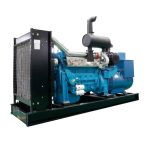
Before delving into the site acceptance testing process, it is essential to understand the key components of a diesel generator system. A typical diesel generator comprises the following main components:
1. Diesel Engine: The diesel engine is the primary power source of the generator. It burns diesel fuel to produce mechanical energy, which is then converted into electrical energy by the generator.
2. Alternator: The alternator consists of a rotor and stator and is responsible for converting the mechanical energy from the engine into electrical energy. It generates the alternating current (AC) output of the generator.
3. Control Panel: The control panel houses the electrical components that govern the operation of the generator, including the engine control module, voltage regulator, and safety devices. It allows operators to monitor and control various parameters such as voltage, frequency, and load.
4. Fuel System: The fuel system supplies diesel fuel to the engine for combustion. Backup power solutions: Is a 400kW generator enough includes components such as the fuel tank, fuel filter, fuel pump, and injectors.
5. Cooling System: The cooling system prevents the engine from overheating during operation. It typically includes a radiator, coolant reservoir, water pump, and fan.
6. Exhaust System: The exhaust system removes combustion gases from the engine and directs them outside the generator enclosure. It comprises components such as the muffler, exhaust pipe, and exhaust outlet.
Testing Procedures for Site Acceptance Testing
Site acceptance testing involves a series of tests and inspections to verify the proper functioning and performance of the diesel generator system. The following are key testing procedures typically included in a site acceptance test:
1. Visual Inspection: A visual inspection of the generator and its components is conducted to check for any physical damage, loose connections, or signs of wear. This includes inspecting the engine, alternator, control panel, fuel system, cooling system, exhaust system, and electrical connections.
2. Functional Testing: Functional testing involves verifying the operational performance of the generator under load conditions. This includes testing the starting sequence, voltage and frequency regulation, load transfer capability, and response to load changes.
3. Load Bank Testing: Load bank testing is performed to simulate the actual load that the generator will experience during operation. By connecting a load bank to the generator, the performance under varying load conditions can be evaluated, ensuring that the generator can meet the specified power output requirements.
4. Voltage and Frequency Testing: Voltage and frequency testing is conducted to verify that the generator output meets the required electrical parameters. Instruments such as multimeters and frequency meters are used to measure the voltage and frequency output of the generator under different load conditions.
5. Fuel System Testing: The fuel system is tested to ensure proper fuel delivery to the engine. This includes checking fuel levels, inspecting fuel lines for leaks, testing the fuel pump operation, and verifying that the fuel filters are clean and functional.
6. Cooling System Testing: The cooling system is tested to ensure that the engine operates within the optimal temperature range. This involves checking coolant levels, inspecting the radiator and hoses for leaks, testing the water pump, and monitoring the engine temperature during operation.
7. Exhaust System Testing: The exhaust system is inspected to ensure that exhaust gases are properly vented outside the generator enclosure. This includes checking the condition of the exhaust components, verifying proper airflow, and ensuring compliance with safety regulations.
Best Practices for Site Acceptance Testing
To ensure a successful site acceptance test for a diesel generator, the following best practices should be followed:
1. Prepare a Detailed Test Plan: Before conducting the site acceptance test, develop a detailed test plan outlining the testing procedures, acceptance criteria, and responsibilities of each team member. This will help ensure that the test is conducted systematically and all aspects are covered.
2. Verify Specifications and Requirements: Before starting the test, verify that the generator specifications and performance requirements are clearly defined and understood by all stakeholders. This will help ensure that the generator meets the necessary criteria during testing.
3. Perform Pre-Test Checks: Before initiating the site acceptance test, perform pre-test checks to ensure that all necessary equipment, tools, and personnel are available. This includes verifying the availability of fuel, coolant, and lubricants, as well as checking the functionality of testing instruments.
4. Document Test Results: During the site acceptance test, document all test results, observations, and any deviations from expected performance. This documentation will serve as a record of the test proceedings and can be used for troubleshooting and analysis if issues arise.
5. Conduct Safety Checks: Prioritize safety during the site acceptance test by following all safety protocols and guidelines. Ensure that personnel are aware of potential hazards and take necessary precautions to prevent accidents or injuries.
6. Address Deficiencies Promptly: If any deficiencies or failures are identified during the site acceptance test, address them promptly and document the corrective actions taken. Repeat the necessary tests to verify that the issues have been resolved before final acceptance.
https://www.lkpowerplant.com/60kw-150kw/
In conclusion, site acceptance testing is a critical process in ensuring the reliable operation of a diesel generator system. By following the testing procedures outlined in this guide and adhering to best practices, operators can verify that the generator meets all specified requirements and performs as expected under real-world conditions. Thorough site acceptance testing helps minimize the risk of downtime and ensures that the diesel generator is ready to provide backup power when needed.